Land animals living in tropical climates around the world are being pushed to their body’s physiological limits, as they struggle to adapt to rising temperatures sparked by human-caused climate change.
That’s according to a major global study of 460 cold-blooded animals on land and sea that compared the temperatures and areas where these animals currently live to the regions they could live based on their tolerance to variations in temperature.

The study, involving scientists from The Australian National University (ANU), found widespread displacement is likely to occur at a rapid rate in the world’s oceans as fish and other marine life will be forced to abandon their habitats as they try to seek sanctuary in cooler places.
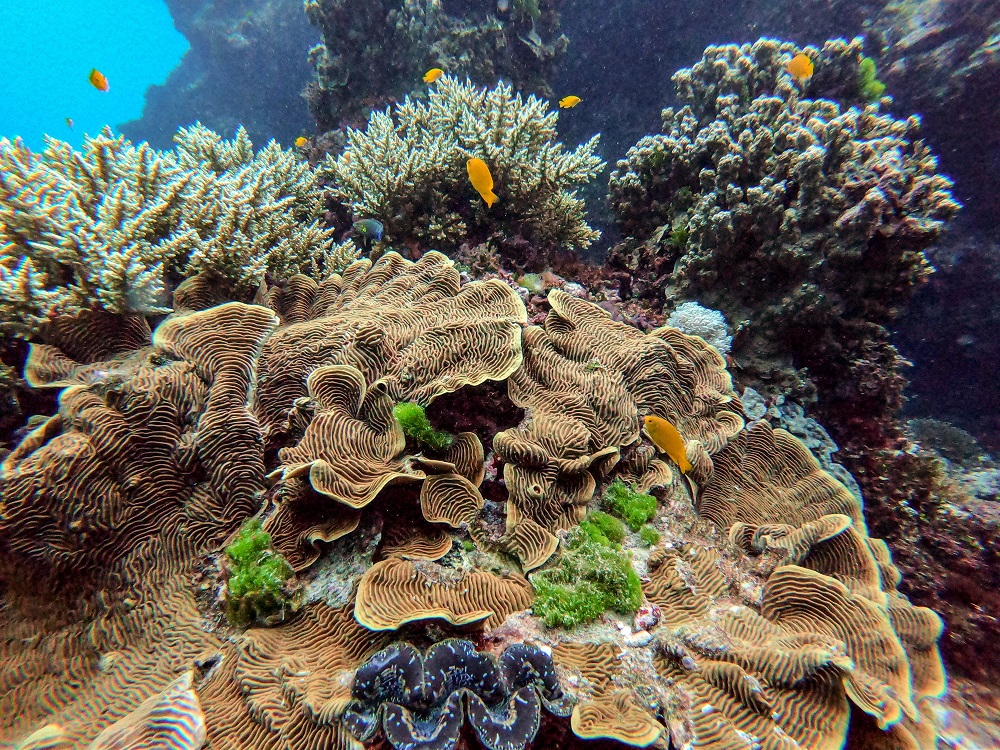
Study co-author Dr Joanne Bennett from ANU said it spells bad news for the Aussie marine species that call the iconic Great Barrier Reef home.
Sign up for the Daily Dose Newsletter and get every morning’s best science news from around the web delivered straight to your inbox? It’s easy like Sunday morning.
“Marine species are probably more vulnerable to climate change because they’re already living on the borderline of the temperature their bodies can withstand. If the places they call home get even hotter, their bodies won’t be able to cope,” Dr Bennett said.
“We know that the oceans are heating at a surprisingly rapid rate and that will force marine wildlife to leave their homes in search of cooler pastures.
“Tropical environments such as the Great Barrier Reef can house a lot of species because it’s rich with resources. Particularly for those reef-reliant creatures, we know they rely on habitat structure to survive.
“But if species are forced to travel to new depths where it’s colder, that means they’re faced with a new environment and there’s no guarantee they’ll be able to source the food they need to survive.”
The critically endangered Neglected Nursery Frog, native to Queensland’s tropical rainforests, is among those caught in a housing crisis.
“These frogs are being forced out of their natural habitats because they can no longer adjust to rising temperatures. They’re being pushed to their physical limits and have no choice but to leave, and with that comes risks,” Dr Bennett said.
“Australia’s tropical regions are rich in biodiversity despite only taking up about one per cent of our land mass. Ultimately, we have a lot to lose.
“But this problem is not just confined to Australia. It’s a global issue.”
The researchers found species living in more temperate climates are not living as close to the edge of their physiological thermal threshold.
According to Dr Bennett, the reason these animals don’t live in the more stable climates in the tropics is not because they can’t withstand heat, but because they are unable to compete with other animals for food and other resources that are plentiful in these regions.
“We found that species in temperate environments can deal with higher temperatures than what they generally experience. However, they are probably more susceptible to other climate-related factors such as extreme weather events including drought,” Dr Bennett said.
“But during periods of drought, these creatures must compete for food and water and these resources become scarce. Unfortunately, this means that some animals might perish as a result if they are not as good at competing for these resources.”
Dr Bennett said the findings help researchers better understand how sensitive different cold-blooded animal species might be to future temperature changes and as climate-driven disasters such as droughts become more frequent and severe.
“This will help scientists predict how the global distribution of species might change as Earth continues to get hotter and as the climate continues to change,” she said.
IMAGE CREDIT: Daniel Pelaez Duque/Unsplash
If you enjoy the content we create and would like to support us, please consider becoming a patron on Patreon! By joining our community, you’ll gain access to exclusive perks such as early access to our latest content, behind-the-scenes updates, and the ability to submit questions and suggest topics for us to cover. Your support will enable us to continue creating high-quality content and reach a wider audience.
Join us on Patreon today and let’s work together to create more amazing content! https://www.patreon.com/ScientificInquirer




Leave a Reply