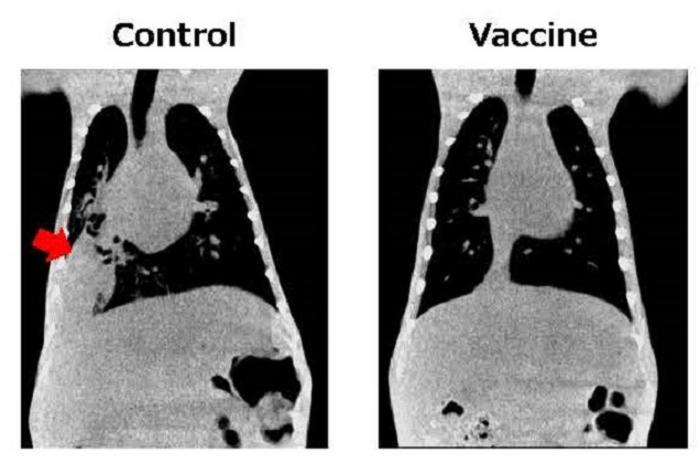
The global impact of the coronavirus pandemic has ignited a renewed focus on emerging and re-emerging infectious diseases. Researchers at Osaka Metropolitan University are making great strides in combating pneumococcal pneumonia, one of the leading causes of respiratory deaths worldwide.
Despite the existence of vaccines against pneumococcal infections such as otitis media, sinusitis, and meningitis, the prevalence of pneumococcal pneumonia remains high. Currently, around 100 new serotypes of Streptococcus pneumoniae have been identified, and the increase in pneumococcal infections caused by serotypes not covered by the vaccine has become a concern. This situation underscores the need for a more versatile vaccine.

Building on their previous success in mucosal responses in 2019, in which they developed a mucosal vaccine that can induce antigen-specific mucosal immune responses, mainly immunoglobulin A (IgA), on the target mucosal surface, a research team led by Professor Satoshi Uematsu and Associate Professor Kosuke Fujimoto from the Department of Immunology and Genomics at the Graduate School of Medicine, Osaka Metropolitan University, has this time set out to bridge the gap in pneumococcal pneumonia vaccination efficacy.
To successfully develop a novel pneumococcal vaccine, the research team combined its proprietary mucosal vaccine technology with pneumococcal surface proteins that can cover a wide range of serotypes. Experiments conducted on mice and macaques have demonstrated the vaccine’s efficacy in suppressing pneumococcal pneumonia in the target animal groups.
Sign up for the Daily Dose Newsletter and get every morning’s best science news from around the web delivered straight to your inbox? It’s easy like Sunday morning.
“This research has succeeded in developing a vaccine formulation that can potentially be used in humans, which will advance the development of this vaccine for clinical applications,” said Professor Fujimoto. “This next-generation vaccine technology is expected to contribute to the treatment of infectious diseases in the future.”
IMAGE CREDIT: Department of Immunology and Genomics at the Graduate School of Medicine, Osaka Metropolitan University
If you enjoy the content we create and would like to support us, please consider becoming a patron on Patreon! By joining our community, you’ll gain access to exclusive perks such as early access to our latest content, behind-the-scenes updates, and the ability to submit questions and suggest topics for us to cover. Your support will enable us to continue creating high-quality content and reach a wider audience.
Join us on Patreon today and let’s work together to create more amazing content! https://www.patreon.com/ScientificInquirer


Leave a Reply