HAVE YOUR SAY.
Join us in The Bullpen, where the members of the Scientific Inquirer community get to shape the site’s editorial decision making. We’ll be discussing people and companies to profile on the site. On Wednesday, April 12 at 5:30pm EST, join us on Discord and let’s build the best Scientific Inquirer possible.
Pangolins, unique scale-covered mammals, are drastically declining in numbers across Asia and Africa, largely due to illegal trade. Part of the trade, both legal and illegal, supports the traditional Chinese medicine market, which has attracted conservation attention. The level of demand for pangolins and other animals in traditional Chinese medicine, however, hasn’t been thoroughly studied.
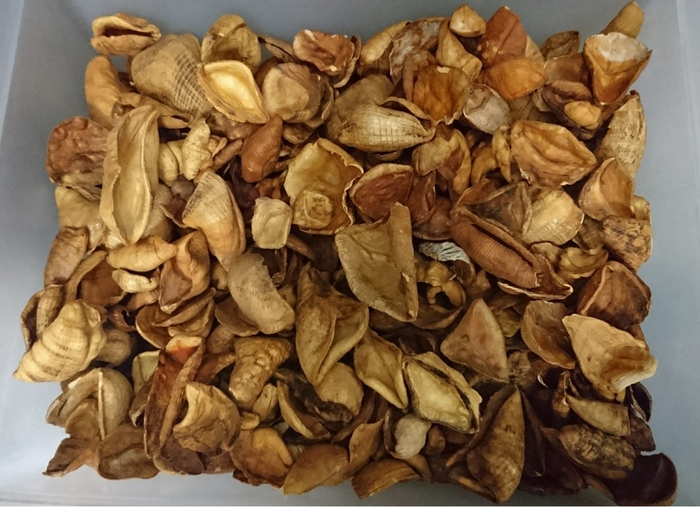
In a new study published in the journal Nature Conservation, Dr Yifu Wang, currently a postdoc researcher at the University of Hong Kong, investigated pangolin scale trade in China, interviewing staff in hospitals and pharmaceutical shops in two provinces (Henan and Hainan). Between October 2016 and April 2017, she and her team talked to doctors from 41 hospitals and shop owners and assistants from 134 pharmaceutical shops.
The research found pangolin scales and their derivatives were widely available in hospitals and pharmaceutical shops across Henan and Hainan Provinces. The legislation in place, however, has not been able to prevent ongoing illegal trade in pangolin products. Her team found that 46% of surveyed hospitals and 34% of surveyed pharmaceutical shops were selling pangolin scale products illegally.

“Existing legal trade allows 711 hospitals to sell pangolin products as medicine with regulations on manufacturer, package, and national annual sale quantity,” explains Dr Yifu Wang. “However, we show that pangolin scales are under heavy demand and unpermitted sellers are commonly found illegally selling pangolin products.”
“Quantities of products traded by permitted legal sellers are estimated to greatly exceed the supply capacity of legal sources,” she continues.
This widespread illegal trade, coupled with the very limited legal supply capacity compared to market demand, is concerning. The researchers point to the urgent need to reduce demand from traditional Chinese medicine on pangolin scales and revise the current legal pangolin scale trade system.
“We also highlight the importance of incorporating the traditional Chinese medicine sector into combating illegal wildlife trade and species conservation beyond pangolins,” they conclude.
The researchers plan to continue investigating the pangolin scale market in China to understand the trade after COVID-19.
IMAGE CREDIT: Yifu Wang




Leave a Reply to hardytardyCancel reply