HAVE YOUR SAY.
Join us in The Bullpen, where the members of the Scientific Inquirer community get to shape the site’s editorial decision making. We’ll be discussing people and companies to profile on the site. On Wednesday, March 22 at 5:30pm EST, join us on Discord and let’s build the best Scientific Inquirer possible.
University of the Sunshine Coast-led research has developed a simple dipstick test to screen for a highly infectious, potentially deadly virus transmitted by bats to humans and pigs in Asia.
UniSC’s Centre for Bioinnovation worked with CSIRO’s Australian Centre for Disease Preparedness on the research into the Nipah virus, published in Frontiers in Microbiology.
The virus was first identified in 1999 in Malaysia, where it was associated with an outbreak of respiratory and neurological disease in pigs, with transmission to humans resulting in encephalitis (brain inflammation) and deaths.

Symptoms of the virus in humans are fever, headache, coughing, difficulty breathing and vomiting. Severe symptoms can include confusion, seizures, coma, severe respiratory distress and encephalitis. It is fatal in 40 to 75 percent of cases.
The research was funded by DMTC, which provides Australian Government agencies such as Defence with advice and solutions in new technology fields such as medical countermeasures.
UniSC Associate Professor of Molecular Engineering Dr Joanne Macdonald said, “Our test allows, for the first time, screening for the virus outside of the laboratory.
“We can do this through a novel sample preparation method that inactivates the virus in the first step of the procedure, making it safe to perform testing outside of a lab.”
Postdoctoral researcher Dr Nina Pollak, who applied the UniSC technology for Nipah virus detection, said a simple lateral flow dipstick showed a final result, similar to COVID RAT screening.
“However, it is much more sensitive than a RAT because it includes an amplification step similar to a PCR, which provides laboratory-level sensitivity but in a highly portable format,” said Dr Pollak, a UniSC Research Fellow.
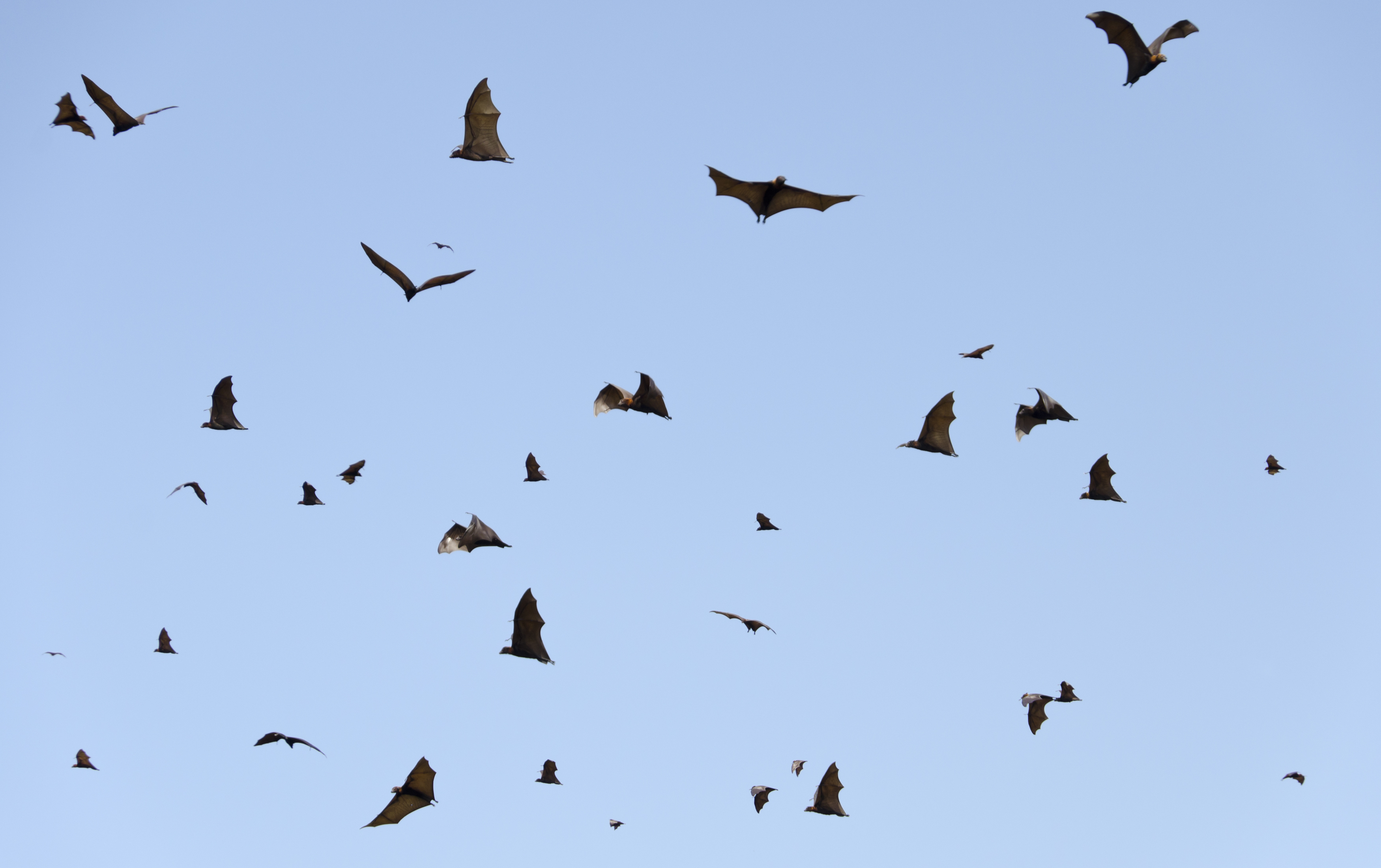
Dr Macdonald said a rapid, portable, point-of-care test for Nipah virus would be useful in rural or remote areas in Asia where outbreaks of the virus have occurred in the past, as well as areas where fruit bats, which are known to carry the virus, are found.
“Such a test would also be useful for healthcare workers, veterinarians, ADF personnel and other professionals who may be at risk of exposure to the virus,” she said.
The Nipah virus has not yet been identified in Australia, though it is closely related to the Hendra virus which is transmitted by flying foxes to horses and humans and has caused fatalities in Queensland and New South Wales.
Dr Macdonald said the next step would be to move to clinical trials to demonstrate the test in people and animals in real-world conditions.
IMAGE CREDIT: GettyImages


Leave a Reply