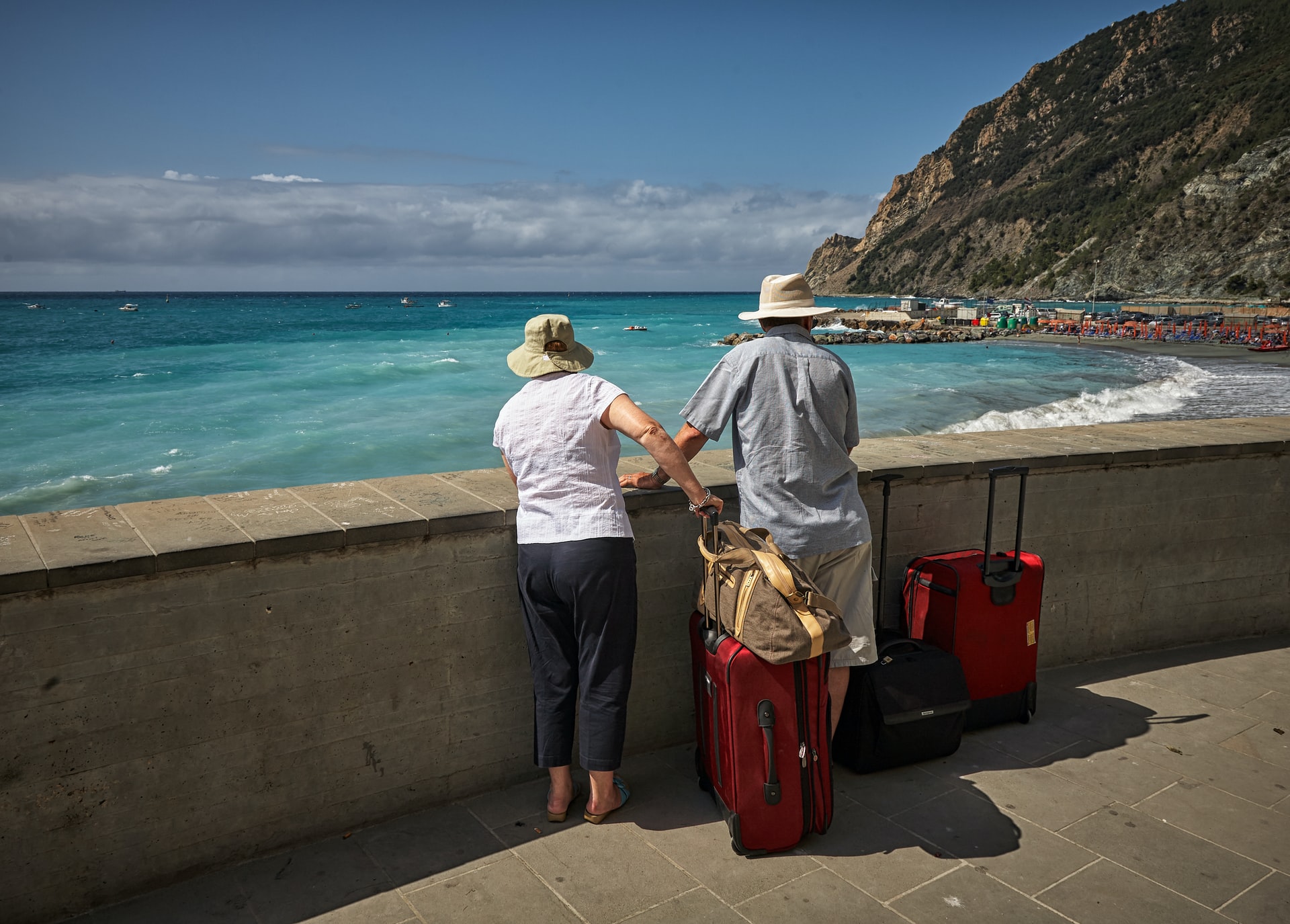
Many of us will have likely heard of music therapy and art therapy — but what about ‘travel therapy’?
A new cross-disciplinary paper from Edith Cowan University (ECU) proposes we change the way we view tourism, seeing it not just as a recreational experience but as an industry that can provide real health benefits.
The collaboration between ECU’s Centre for Precision Health and School of Business and Law found many aspects of going on holiday could have a positive impact on those with mental health issues or conditions.
HAVE YOUR SAY.
Join us in The Bullpen, where the members of the Scientific Inquirer community get to shape the site’s editorial decision making. We’ll be discussing people and companies to profile on the site. On Wednesday July 6 at 5:30pm EST, join us on Discord and let’s build the best Scientific Inquirer possible.
Lead researcher Dr Jun Wen said the diverse team of tourism, public health and marketing experts investigated how tourism could benefit those living with dementia.
“Medical experts can recommend dementia treatments such as music therapy, exercise, cognitive stimulation, reminiscence therapy, sensory stimulation and adaptations to a patient’s mealtimes and environment,” Dr Wen said.
“These are all also often found when on holidays.
“This research is among the first to conceptually discuss how these tourism experiences could potentially work as dementia interventions.”
Holiday fun… or treatment?
Dr Wen said the varied nature of tourism meant there were many opportunities to incorporate treatments for conditions such as dementia.
For example, being in new environments and having new experiences could provide cognitive and sensory stimulation.
“Exercise has been linked to mental wellbeing and travelling often involves enhanced physical activity, such as more walking,” Dr Wen said.
“Mealtimes are often different on holiday: they’re usually more social affairs with multiple people and family-style meals have been found to positively influence dementia patients’ eating behaviour.
“And then there’s the basics like fresh air and sunshine increasing vitamin D and serotonin levels.
“Everything that comes together to represent a holistic tourism experience, makes it easy to see how patients with dementia may benefit from tourism as an intervention.”
A shift in thinking
Dr Wen said COVID-19’s impact on travel in recent years had raised questions about tourism’s value beyond lifestyle and economic factors.
“Tourism has been found to boost physical and psychological wellbeing,” he said.
“So, after COVID, it’s a good time to identify tourism’s place in public health — and not just for healthy tourists, but vulnerable groups.”
Dr Wen said he hoped a new line of collaborative research could begin to examine how tourism can enhance the lives of people with various conditions.
“We’re trying to do something new in bridging tourism and health science,” he said.
“There will have to be more empirical research and evidence to see if tourism can become one of the medical interventions for different diseases like dementia or depression.
“So, tourism is not just about travelling and having fun; we need to rethink the role tourism plays in modern society.”
IMAGE CREDIT: Vidar Nordli-Mathisen on Unsplash




Leave a Reply