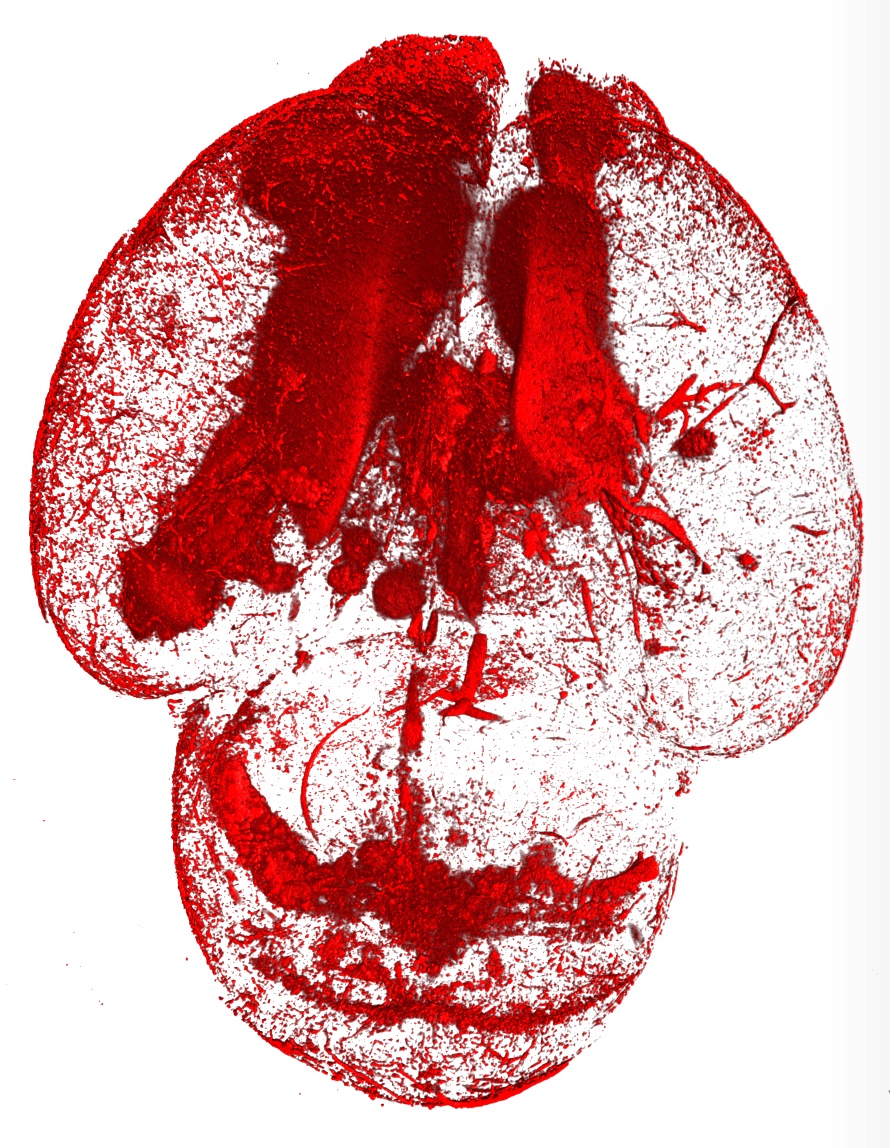
New research could help identify babies at risk of brain bleeds WEHI researchers have uncovered a new way to help identify babies and foetuses at high-risk of developing brain bleeds, paving the way for better early intervention.
Brain bleeds in unborn babies and newborns can lead to stroke and permanent neurological conditions, such as cerebral palsy.
While brain bleeds can sometimes be treated with platelet transfusions, the invasive procedures can be dangerous, and it had been unclear which babies would benefit most.
At a glance
- Research finds a new way to help identify unborn and newborn babies at risk of brain bleeds.
- Preclinical studies show brain bleeds will occur if platelet levels drop to 10 per cent or below in foetuses and newborns.
- The new threshold could be used to determine which babies should have treatment, transforming platelet transfusion practises and avoiding unnecessary procedures.
WEHI researchers Dr Alison Farley and Dr Samir Taoudi are investigating how levels of platelets, small blood cells best known for enabling blood clots, affect brain bleeds to better understand when platelet transfusion should be deployed.
A new analysis of preclinical models has found brain bleeds always occurred when platelet levels dropped to 10 per cent or below in newborns and foetuses.
The research also indicates that babies may develop protection against brain bleeds two weeks after birth, with bleeding no longer triggered by very low platelet levels beyond this age.
Published in Blood, the study paves the way to better understanding which babies should receive a platelet transfusion and where the platelet threshold could be set to, in order to avoid unnecessary transfusions.
Platelet counts
Low platelet levels, a condition known as thrombocytopenia, can be associated with excessive bleeding and is common in preterm infants.
By analysing varying degrees of thrombocytopenia in pre-clinical models, researchers were able to distinguish three levels of platelet counts that determined brain bleed risk.
They found brain bleeds in unborn or newborn babies were guaranteed if their platelet count dropped to 10 per cent or below.
While a moderate platelet level between 10-40 per cent could potentially trigger a brain bleed, babies with over 40 per cent of platelets weren’t at risk of developing the condition at all.
“Platelet transfusions are currently given to babies in that moderate range, who may not even experience brain bleeds,” Dr Farley said.
“Working out the thresholds of platelet levels that will always lead to brain bleeds, and the range that may not, is critical.
“Our findings could help determine which babies can safely receive a platelet transfusion after birth, and where the threshold could be lowered to avoid unnecessary and risky transfusions.
“If the loss of platelets occurs within days after birth, then this could offer a window for potential intervention, to prevent severe brain bleeds and stroke in babies.”
Building resistance
Dr Samir Taoudi said analysing why protection against brain bleeds forms two weeks after birth would be an important next step, as well as investigating which proteins and genes are involved.
“We need to see how, or even if, platelets and brain blood vessels work together to build resistance to brain bleeds,” Dr Taoudi said.
“Our next big challenge is to understand if brain bleeds are caused by a communication breakdown between platelets and blood vessels, or if they are being triggered by environmental factors?”
IMAGE CREDIT: WEHI




Leave a Reply