Pioneering Artificial Intelligence (AI) technology, developed by experts at University of the West of Scotland (UWS), is capable of accurately diagnosing Covid-19 in just a few minutes.
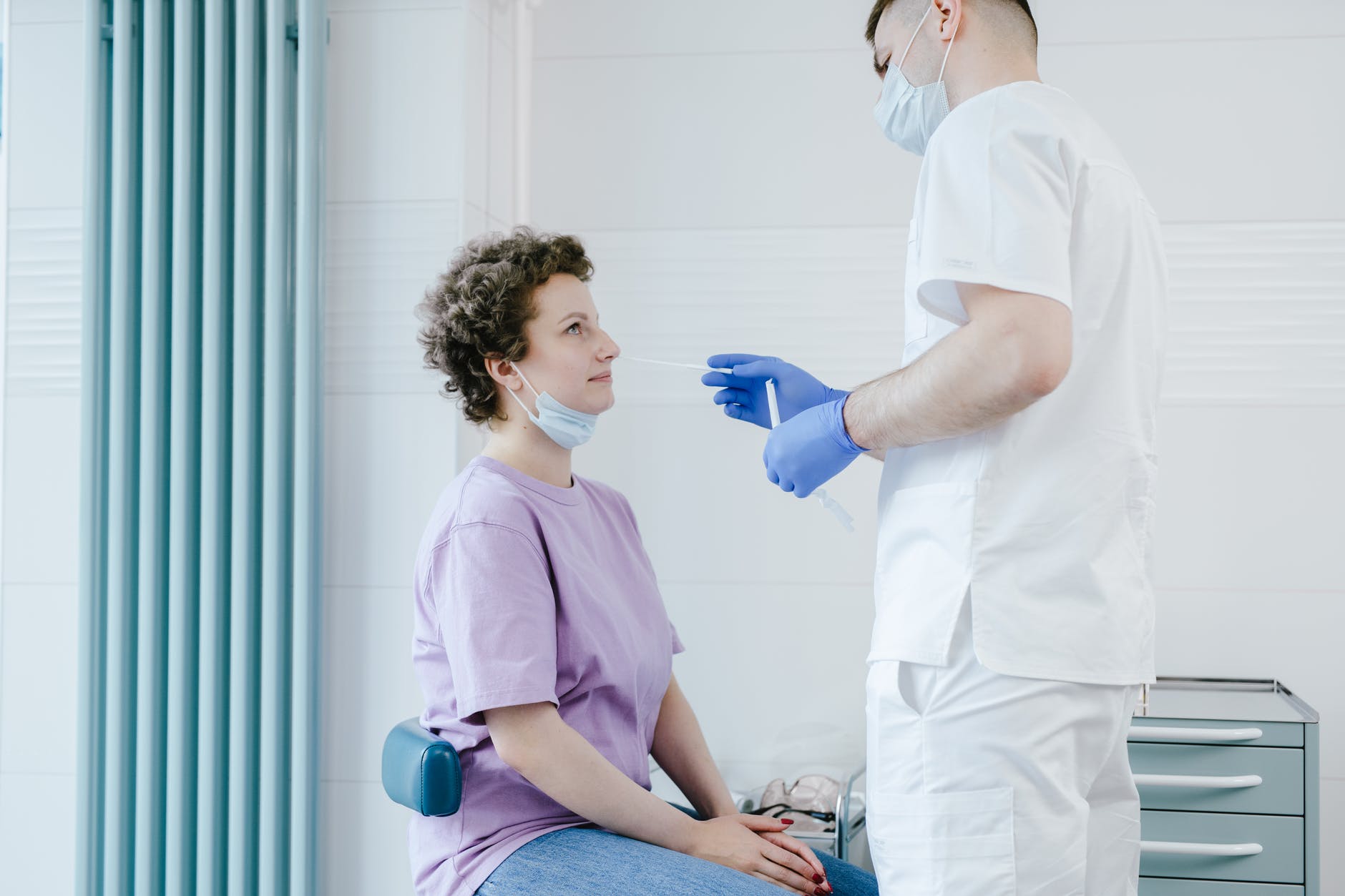
The groundbreaking programme is able to detect the virus far more quickly than a PCR test; which typically takes around 2-hours.
It is hoped that the technology can eventually be used to help relieve strain on hard-pressed Accident and Emergency departments, particularly in countries where PCR tests are not readily available.
The state-of-the-art technique utilises x-ray technology, comparing scans to a database of around 3000 images, belonging to patients with Covid-19, healthy individuals and people with viral pneumonia.
It then uses an AI process known as deep convolutional neural network, an algorithm typically used to analyse visual imagery, to make a diagnosis. During an extensive testing phase, the technique proved to be more than 98% accurate.

Professor Naeem Ramzan, Director of the Affective and Human Computing for SMART Environments Research Centre at UWS, led the three-person team behind the project, which also involved Gabriel Okolo and Dr Stamos Katsigiannis.
He said: “There has long been a need for a quick and reliable tool that can detect Covid-19, and this has become even more true with the upswing of the Omicron variant.
“Several countries are unable to carry out large numbers of Covid tests because of limited diagnosis tools, but this technique utilises easily accessible technology to quickly detect the virus.
“Covid-19 symptoms are not visible in x-rays during the early stages of infection, so it is important to note that the technology cannot fully replace PCR tests.
“However, it can still play an important role in curtailing the viruses spread especially when PCR tests are not readily available.
“It could prove to be crucial, and potentially life-saving, when diagnosing severe cases of the virus, helping determine what treatment may be required.”
Professor Milan Radosavljevic, Vice-Principal of Research, Innovation and Engagement at UWS, added: “This is potentially game-changing research. It’s another example of the purposeful, impactful work that has gone on at UWS throughout the pandemic, making a genuine difference in the fight against Covid-19.
“I am incredibly proud of the drive and innovation demonstrated by our internationally renowned academics, as they strive to find solutions to urgent global problems.”
The team now plans to expand the study, incorporating a greater database of x-ray images acquired by different models of x-ray machines, to evaluate the suitability of the approach in a clinical setting.
IMAGE CREDIT: (ENTER NAMES)


Leave a Reply