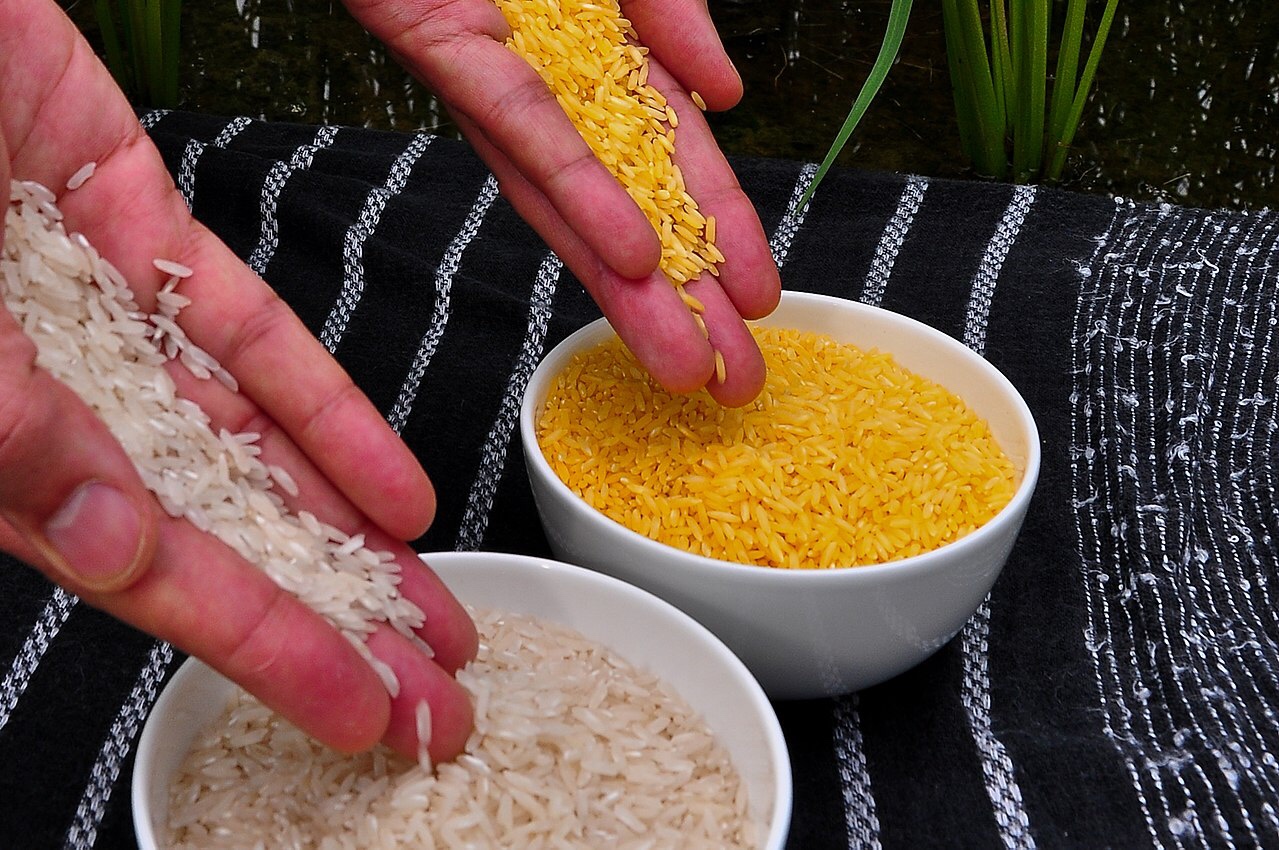
ST. LOUIS, MO, July 26, 2021 — Filipino rice consumers are close to benefiting from a provitamin A-infused rice with the approval of its commercial propagation permit. Dr. John C. de Leon, executive director of the Department of Agriculture (DA) Philippine Rice Research Institute (PhilRice), announced that a biosafety permit for propagating the Golden Rice was issued on July 21, 2021.
This biosafety approval of Golden Rice is the first authorization for commercial propagation of a genetically engineered rice in South and Southeast Asia. With this permit, Golden Rice can now be planted for commercial production as per the terms and conditions specified by the DA Bureau of Plant Industry (DA-BPI). Prior to marketing, Golden Rice will need varietal registration by the National Seed Industry Council, who approves the registration of all new varieties based on consistent good agronomic field performance.
Golden Rice was developed for humanitarian purposes to help treat vitamin A deficiency (VAD). Studies have shown that a one-cup portion of cooked Golden Rice contains enough beta-carotene to meet 30 to 50 percent of the estimated average requirement of vitamin A for children aged 6 months to 5 years, the group most at risk of vitamin A insufficiency in the Philippines. At present, only 2 out of 10 Filipino households meet the estimated average requirement for vitamin A intake in their daily diet.
Dr. Donald MacKenzie, executive director of the Institute for International Crop Improvement (IICI) at the Donald Danforth Plant Science Center and formerly with the International Rice Research Institute (IRRI), leads the regulatory component of the Healthier Rice Project that includes Golden Rice and iron and zinc biofortified rice. The permit for commercial production of Golden Rice is the latest example of the Project’s many regulatory successes since 2018, which have included food safety approvals in Australia, New Zealand, Canada, the U.S., and the Philippines. “Hard work and diligence over the past six years by our regulatory teams at PhilRice and IRRI has now positioned Golden Rice to achieve impact,’’ said MacKenzie, who further noted that “reducing the gap between innovation and impact is IICI’s mission, and must become an urgent priority for all stakeholders if we are to meet the UN’s 2030 sustainable development goal of ending hunger, achieving food security and improved nutrition, and making agriculture more sustainable.”
With its potential to provide a significant amount of provitamin A in the diet, Golden Rice can be an effective complementary approach to achieving availability, affordability, and accessibility of quality and nutritious rice for all Filipinos. De Leon said that they aim to deploy the beta-carotene enriched rice in partnership with appropriate agencies through market-based and programmatic approaches in areas where the prevalence of vitamin A deficiency is high.
“As always, we are committed to ensuring the highest quality of seed for farmers and a safe and nutritious food supply for all Filipinos,” de Leon stressed. He elaborated that they will be implementing a comprehensive quality assurance and stewardship program that covers all steps in the chain from seed production, to post-harvest processing, to marketing.
IMAGE CREDIT: (ENTER NAMES)




Leave a Reply