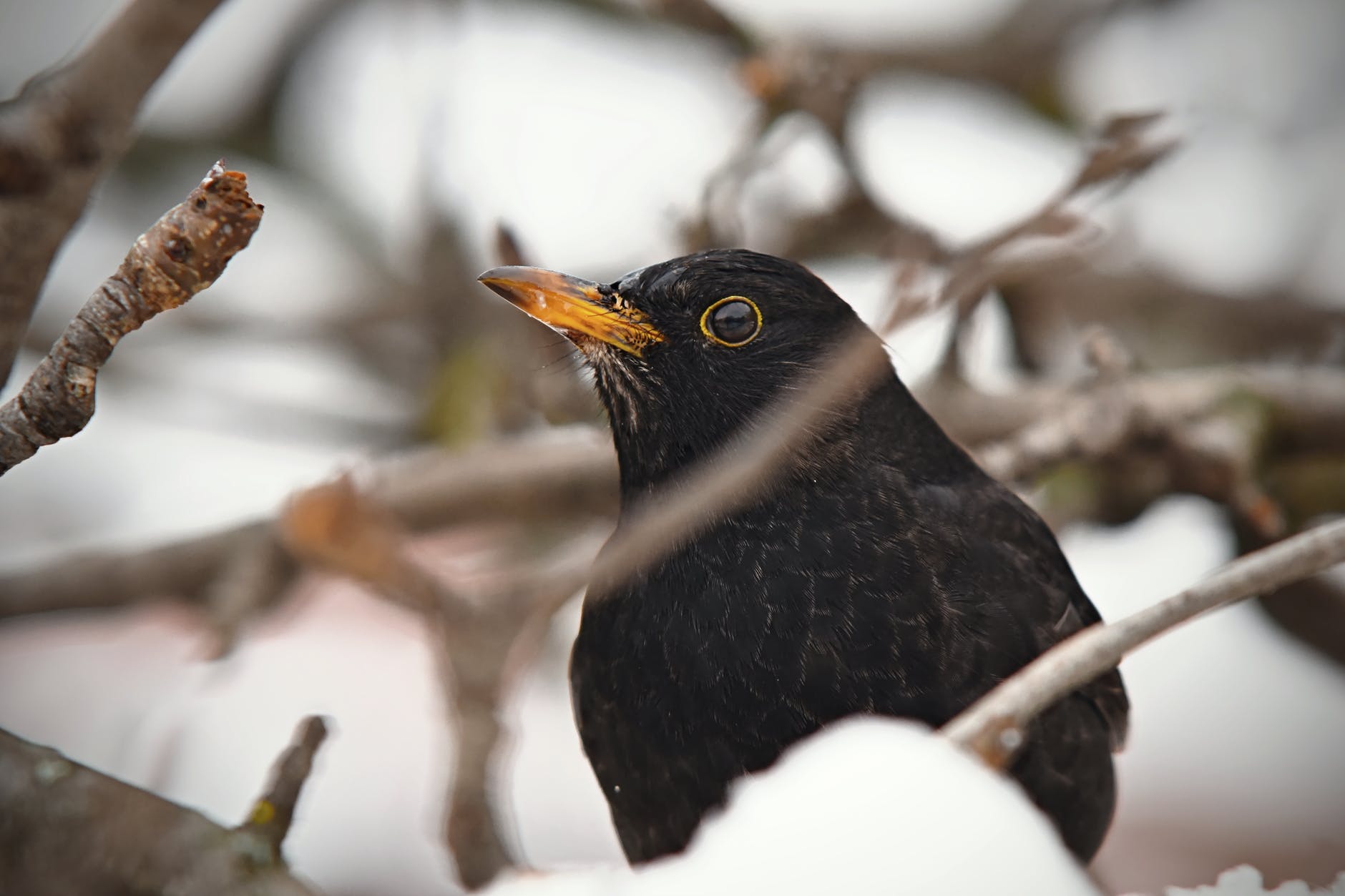
A study recently completed in Europe and North America indicates that the composition of wintering and breeding bird communities changes in line with global warming. However, wintering bird communities are considerably faster at tracking the changing climate compared to breeding communities.
Climate change is driving species’ distribution towards the poles and mountaintops, resulting in changes to bird communities. As a considerable share of birds are migratory species, with the distance they travel varying by species, the rate of change in bird communities is different in the breeding season and in the winter. A new Finnish-led study demonstrates for the first time that changes in bird communities are significantly faster in the winter than in the breeding season.
“Climate change is reshaping bird communities so that abundance of southern species increase, while the abundance of northern species is reduced,” says Senior curator Aleksi Lehikoinen from the Finnish Museum of Natural History Luomus, which is part of the University of Helsinki.
The faster change of bird communities in the winter is most likely results from the birds being less sedentary in their wintering areas than in their breeding areas. Some species are capable of migrating also in mid-winter, if the weather gets colder. In fact, a rise in temperature increased the annual rate of change for wintering bird communities. During the breeding season, individual birds are bound to a specific environment for several months, preventing them from migrating in the middle of breeding even if the weather changes.
“In Finland, wintering bird communities in particular have changed due to the rapid increase in abundance of southern species, such as the tufted duck, the blackbird and the goldfinch. As winters become warmer faster than summers, our winter bird communities will continue to change rapidly also in the future,” Lehikoinen explains.
The study examined changes in bird communities in eight countries in Europe as well as in the United States and Canada since the 1980s. While the dataset encompasses over 1,200 bird species and a broad range of bird communities, the results were largely similar for both continents.
“Overall, the study included observations of almost three billion birds. Without keen birdwatchers contributing on a voluntary basis, collecting such a dataset would be impossible,” Lehikoinen says, offering praise.



Leave a Reply