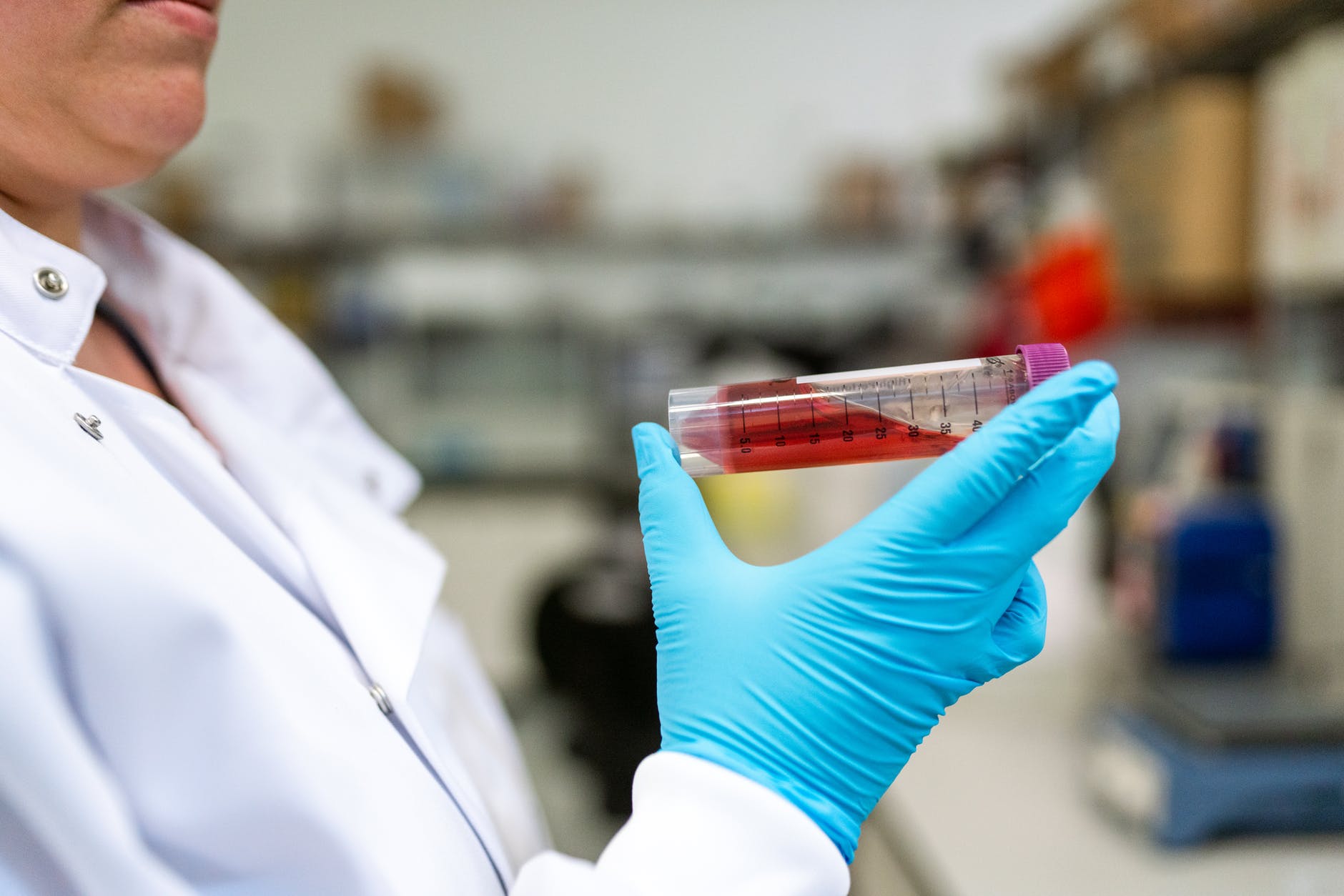
Research led by The Ohio State University Wexner Medical Center and College of Medicine identified a new compound that might serve as a basis for developing a new class of drugs for diabetes.
Study findings are published online in the journal Nature Chemical Biology.
The adenosine monophosphate-activated protein kinase (Ampk) is a crucial enzyme involved in sensing the body’s energy stores in cells. Impaired energy metabolism is seen in obesity, which is a risk factor for diabetes. Some medications used to treat diabetes, such as metformin, work by increasing the activity of Ampk.
“In our study, we discovered a protein that is involved in removing Ampk from cells called Fbxo48. We designed and tested a compound termed, BC1618, that blocks Fbxo48 and was much more potent than metformin in increasing Ampk function. BC1618 improved responses to insulin, a measure of effectiveness for diabetes medicines, in obese mice,” said Dr. Rama K. Mallampalli, senior author and chair of the department of internal medicine at Ohio State.
Mallampalli began this research at The University of Pittsburgh before joining Ohio State, and continued collaborating with researchers there to complete the study.
“This study builds on our prior research to understand how critical proteins in the body are removed or degraded. The research team had previously designed and produced a family of anti-inflammatory drugs that are FDA approved and are poised to enter Phase 1 studies,” Mallampalli said. “Using this new compound as a backbone, our team including Dr. Bill Chen and Dr. Yuan Liu at Pittsburgh will make other compounds that are more potent and safe in animal models and then test them in diabetes animal models. Eventually we aim to obtain FDA approval for human testing.”



Leave a Reply