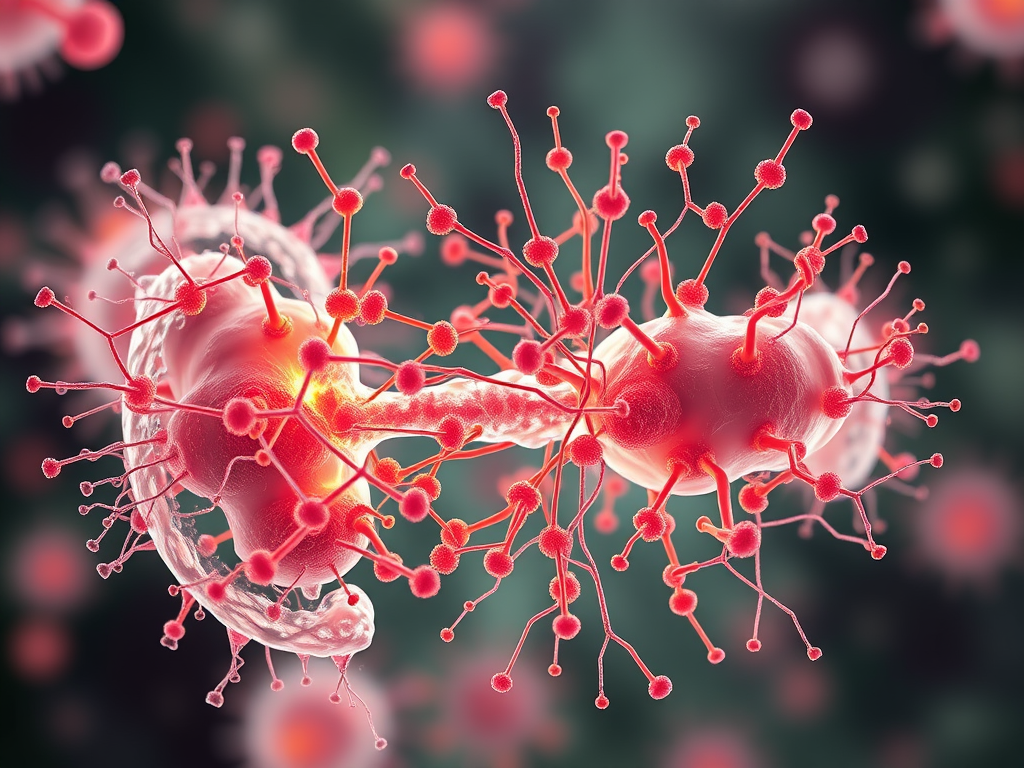
US Measles Cases Hit 588 in 2026 as South Carolina Outbreak Jumps Again:US measles activity is surging in 2026, with the CDC confirming 172 new cases in its latest update and bringing the national total to 588 so far this year. CIDRAP reports that 94% of cases are outbreak-linked, only three are travel-related, and 17 states have locally acquired transmission. South Carolina’s outbreak, centered in Spartanburg County, jumped by 58 cases in three days to 847, and officials say a growing list of public exposure sites signals community circulation. Most patients are children (85% age 19 or younger), and 93% are unvaccinated or have unknown status; 3% have been hospitalized. CIDRAP also flags falling MMR coverage among US kindergartners (92.5% in 2024–25), leaving about 286,000 kids at risk. A related CDC report shows measles can spread on flights, even among vaccinated travelers. (CIDRAP)
Flu Rebounds After Three-Week Dip as RSV and COVID Stay Hot in Pockets of the US: After three straight weeks of declines, US influenza activity ticked back up and remains elevated, according to the CDC’s weekly respiratory virus update and FluView report. Overall acute respiratory illness levels are low to moderate nationwide, with Alabama and Arkansas the only states in the “high” category. COVID-19 levels were largely unchanged, but were growing or likely growing in 11 states; flu trends were rising in 13 states and RSV in 21. Influenza A activity is steady while influenza B is gaining ground. The CDC also reported eight additional pediatric flu deaths (52 this season). Test positivity rose to 18.0% for flu, 6.3% for RSV, and 5.3% for COVID-19. Wastewater signals were “very high” for COVID-19 in several states, and vaccination uptake remains low. (CIDRAP)
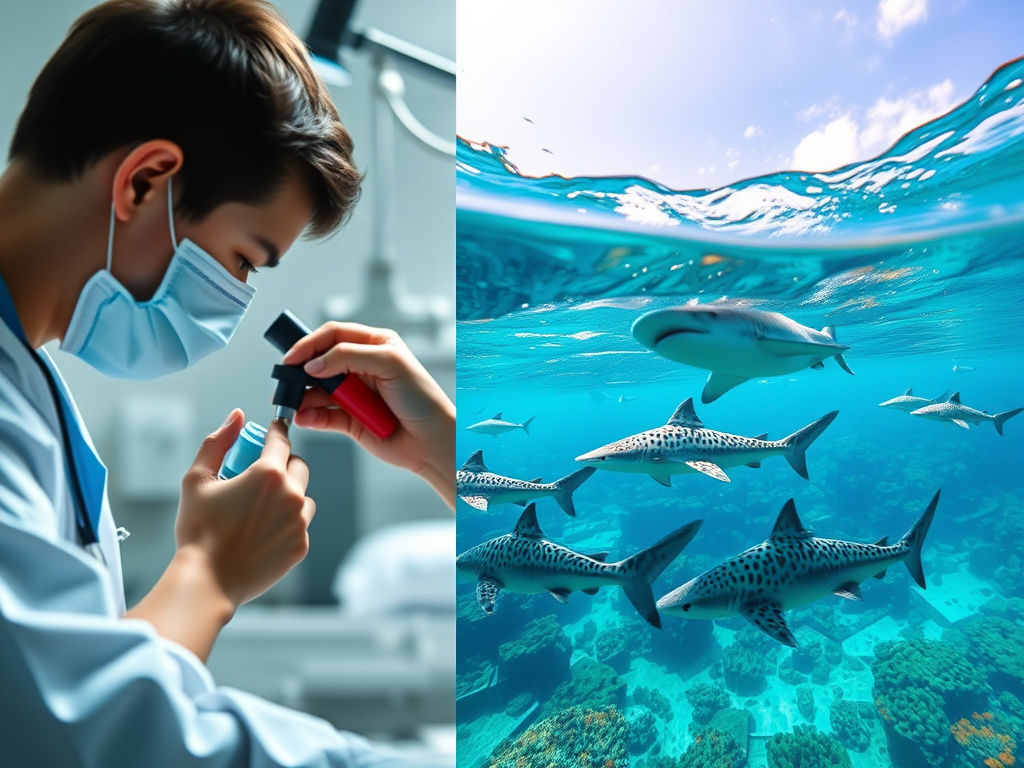
Thailand Tries to “Rewild” Endangered Leopard Sharks With Aquarium-Bred Juveniles: Thailand has begun releasing aquarium-bred Indo-Pacific leopard sharks in what Reuters describes as the country’s first effort to “rewild” the endangered species. Conservationists and partners in the StAR Project Thailand—a collaboration involving government, NGOs, and aquariums—are breeding pups, raising them in captivity, then acclimating them in a sea pen so they can learn behaviors needed to survive outside. The newest release included four nearly two-year-old sharks; seven pups have been released so far. The project pairs husbandry with field science: veterinarians run final health checks, collect DNA samples, and fit acoustic tracking devices before release. Organizers say long-term success means wild sightings, evidence of breeding, and fewer sharks ending up in markets. (Reuters)
Victoria’s January Bushfires Push Threatened Wildlife Toward a Tipping Point: As bushfires burn across Victoria, Australia, ecologists warn that already-fragile populations may be shoved to the brink. The Guardian highlights endangered eastern bristlebirds as a prime concern after fires near Mallacoota burned roughly 60% of habitat at Howe Flat; the state population is described as fewer than 200 birds. The article also notes broader cascading risks: surviving animals can face dehydration, burns, disorientation, and the loss of food and shelter, then heightened predation pressure from foxes and cats in the aftermath. Beyond fauna, botanists fear some rare plants may be lost entirely where the last wild populations were inside burn areas. With monitoring gear and field assessments delayed until firegrounds are safe, researchers argue Victoria needs faster detection and “rapid attack” capability to limit future biodiversity losses. (The Guardian)
Underwater “NewtCam” Uses AI to Detect Amphibians With Minimal Disturbance: A solar-powered underwater camera system dubbed “NewtCam” is being used to automate species detection in wetlands, offering a lower-disturbance way to monitor amphibians and other aquatic life. The Wildlife Society reports that the setup photographs animals as they swim through an artificial tunnel, then applies AI-based identification to help researchers track where amphibians occur and how they use habitat. That matters because amphibian populations can shift quickly with changes in water quality, temperature, and land use—and traditional surveys can be labor-intensive or disruptive. By turning routine detection into a semi-automated pipeline, tools like NewtCam can expand monitoring coverage while reducing handling and repeated site visits. The broader conservation value is simple: better data, gathered more frequently, with less stress on animals and field teams. (The Wildlife Society)
Two Critically Endangered African Penguin Chicks Hatch at Mystic Aquarium: Two African penguin chicks hatched at Mystic Aquarium during a winter snowstorm, a small but meaningful win for a species in steep decline. CT Insider reports the hatchlings are part of a specialized breeding effort under the Association of Zoos and Aquariums’ Species Survival Plan, and the aquarium says the chicks are being closely monitored by penguin and veterinary teams. The piece underscores why captive breeding has become so urgent: the aquarium cites a 97% population decline and warnings that the species could disappear from the wild within the next decade. The article also points to repeated recent hatchings—four chicks last year and two the year prior—as evidence that coordinated breeding programs can steadily add to the pipeline of healthy juveniles. It’s not a substitute for fixing ocean threats, but it buys time. (CT Insider)
Tiny Mammals Leave “Early Warning” Tracks—And Scientists Have a New Way to Read Them: Small mammals can be powerful indicators of environmental stress, but many species are “cryptic”—nearly indistinguishable by sight—making monitoring expensive and invasive when DNA is required. A new approach highlighted by ScienceDaily uses footprint analysis to tell apart lookalike species, tested on two sengi species in South Africa with accuracy reported as high as 96%. Researchers collected footprints using a controlled track box, then applied morphometric measurements and modeling to identify subtle shape differences. The promise is speed and ethics: footprints can be gathered repeatedly without harming animals, potentially providing frequent “pulse checks” on ecosystem integrity as ranges shift or populations decline. The study also flagged a surprise—some individuals were found outside the expected range—exactly the kind of signal conservation teams want to detect early, before quiet collapses become visible crises. (ScienceDaily)
Roadkill as Research Resource: A 3Rs-Friendly Alternative to Live Wildlife Sampling: A Phys.org report spotlights a sweeping review that reframes roadkill as an underused scientific resource—one that can align with the “3Rs” ethics framework (refinement, replacement, reduction). The review examined more than 312 studies and found road-killed animals have been used across at least 650 species for applications ranging from anatomy and parasites to genetics, diet work, teaching, and even conservation planning. Because specimens are already dead, roadkill can reduce pressure to trap or euthanize wildlife for certain study designs and can save time associated with ethics approvals for live-animal protocols. The article also notes practical caveats: permits may still be required, decomposition and scavenging can limit sample quality, and sampling bias is unavoidable because roads aren’t randomly distributed across habitats. Still, for many questions, the paper argues, roadkill can be a humane “replacement” pathway. (Phys.org)
When “Native” Becomes Invasive: How Reproductive Interference Can Wreck Populations: Invasive species aren’t always newcomers from another continent. National Geographic summarizes research arguing that native species can act “invasive” when human activity moves them into new ecosystems—sometimes through a mechanism called reproductive interference. The idea: instead of outcompeting rivals for food, animals can disrupt reproduction via harassment, forced copulation, wasted mating effort, or hybridization that reduces fitness. The article describes examples where these interactions can reshape population trajectories and biodiversity outcomes, and it emphasizes how hard such dynamics are to detect if managers focus only on classic competition or predation. The takeaway is practical: conservation plans may need to treat certain translocated or range-shifting native populations with the same urgency used for non-native invasives, especially when reproduction—not survival—is the bottleneck. It’s a reminder that “belonging” isn’t just about origin; it’s about ecological impact under today’s altered landscapes. (National Geographic)
Study: No Single Marine Protected Area Can Safeguard Migratory Marine Species: A Florida International University write-up argues that protecting wide-ranging marine wildlife—species that move across national boundaries and vast ocean corridors—requires networks of marine protected areas (MPAs), not isolated reserves. The core problem is spatial mismatch: a single MPA can be effective locally, but migratory animals may spend critical portions of their lives outside its borders, where threats like fishing pressure, ship strikes, habitat degradation, and climate-driven ecosystem changes persist. FIU frames the research as a call to scale conservation design to animal behavior: identify movement pathways, life-stage hotspots, and seasonal aggregation sites, then connect protections across jurisdictions. The message isn’t “MPAs don’t work”—it’s that they’re often asked to do too much alone. A connected approach can also improve monitoring and enforcement, because it defines shared conservation goals across regions rather than creating one protected “island” in a sea of risk. (The Wildlife Society)
Yellowstone Wolf “Rising Star” Killing Highlights Ongoing Poaching Investigations: Smithsonian Magazine reports on a high-profile investigation tied to the illegal killing of a Yellowstone-area wolf known as “Rising Star,” emphasizing how individual cases can illuminate broader enforcement challenges around poaching. The article situates the incident in the context of ongoing scrutiny of wolf deaths near the park’s boundaries, where shifting jurisdiction, complex regulations, and strong public emotions can complicate conservation outcomes. Beyond the symbolic loss of a well-known animal, the story underscores the scientific stakes: wolves are closely monitored, and the death of a single breeder or pack member can ripple through behavior, territory dynamics, and local ecosystem effects. The reporting also points to the role of public tips, agency coordination, and evidence collection in wildlife crime cases—tools that matter as predators recover in some regions while conflicts and illegal killings persist in others. (Smithsonian Magazine)
Ancient Mummified Cheetahs Could Expand Options for Saudi Rewilding Plans: Researchers exploring caves in northern Saudi Arabia found an unexpected archive: seven mummified cheetahs and skeletal remains from 54 more, totaling 61 individuals dating from about 127 years ago to more than 4,200 years old. Smithsonian Magazine reports that genetic work on three mummies suggests more than one cheetah lineage once inhabited the region. That matters for modern conservation planning because cheetahs have vanished from much of their historical range, and reintroduction efforts depend on sound assumptions about which populations are ecologically and genetically appropriate. The study (published in Communications Earth & Environment) indicates some ancient Saudi cheetahs were genetically closer to the Northwest African cheetah than to the Asiatic cheetah—a subspecies now critically endangered, with fewer than 70 estimated in the wild and restricted to Iran. The discovery could broaden the “rewilding” playbook by clarifying historical diversity. (Smithsonian Magazine)

Leave a Reply