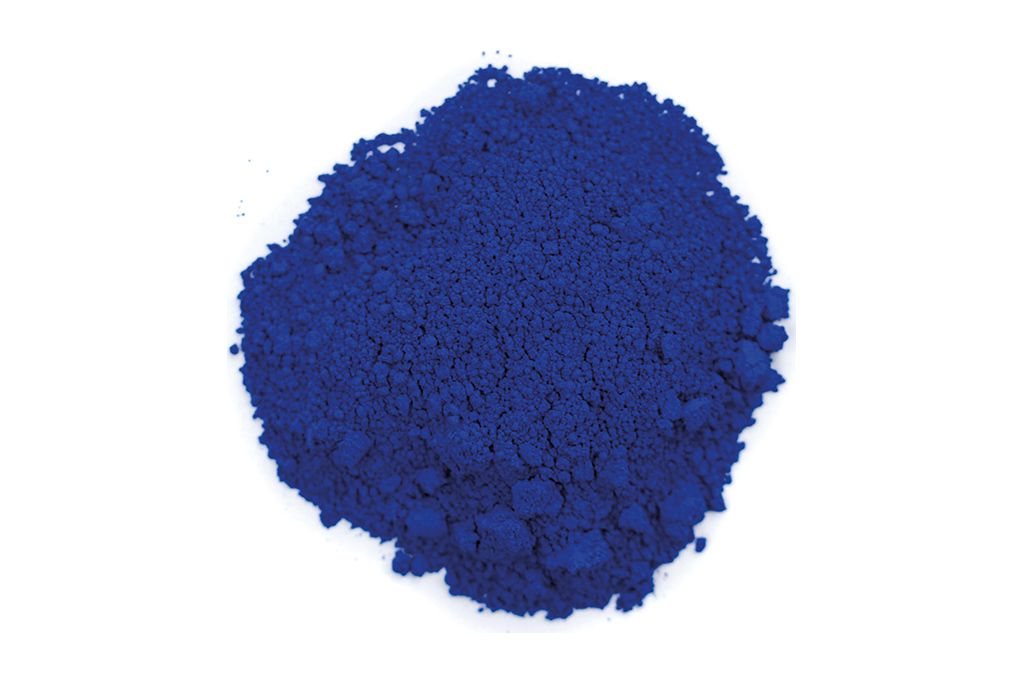
In an age where we thought every color imaginable had been discovered, modern laboratories continue to push the boundaries of what’s possible in color science. These synthetic creations aren’t just new shades – they’re technological breakthroughs with applications ranging from energy efficiency to space exploration.
YInMn Blue (2009)
The first major color discovery of the 21st century happened by accident when Professor Mas Subramanian and his team at Oregon State University were researching materials for electronics. This vibrant blue, composed of yttrium, indium, and manganese oxides, offers exceptional stability and infrared-reflecting properties. Beyond its striking appearance, YInMn Blue has found applications in energy-efficient roofing and building materials.

Vantablack (2014)
Less a color and more an absence of it, Vantablack absorbs 99.965% of visible light. Developed by Surrey NanoSystems, this forest of vertical carbon nanotubes creates the closest approximation to a black hole we can see. Initially designed for astronomical equipment and military applications, it has sparked intense debates in the art world about color ownership and accessibility.


Living Coral (Lab Version, 2018)
While the natural coral color has existed for millennia, scientists at Pantone created a standardized synthetic version that captures the precise wavelengths of light reflected by healthy coral reefs. This development has become crucial for marine biology research and conservation efforts, providing a benchmark for coral health assessment.

Quantum Dots
These engineered nanoparticles create colors by manipulating light at the quantum level. By adjusting their size, scientists can tune them to emit specific wavelengths of light, revolutionizing display technology. Modern QLED televisions owe their vibrant displays to this breakthrough.

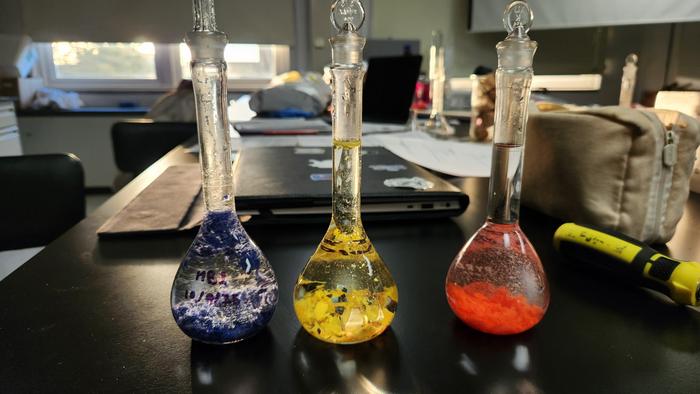
Chrome Yellow (Synthetic Version)
Though chrome yellow pigments have existed historically, modern lab versions have eliminated the toxic chromium content while maintaining the color’s vibrancy. This safer alternative has become essential in industrial applications and artistic materials.

Perinone Orange
Developed in chemical laboratories, this high-performance pigment offers exceptional lightfastness and weather resistance. Its unique properties have made it invaluable in automotive finishes and outdoor applications where color stability is crucial.

Prussian Blue (Modern Synthesis)
While discovered in 1704, modern laboratory techniques have created purer, more consistent versions of this historic pigment. Today’s Prussian Blue has found surprising applications in radiation detection and treatment of heavy metal poisoning.

Synthetic Ultramarine
Originally more precious than gold due to its source in lapis lazuli, laboratory-created ultramarine revolutionized blue pigments’ accessibility. Modern versions continue to be refined for specific industrial applications.

Luminous Colors
Recent developments in photoluminescent pigments have created colors that can store and emit light, leading to innovations in safety equipment, emergency signage, and sustainable lighting solutions. These materials can glow for hours after exposure to light.

Color-Shifting Pigments
Laboratory-engineered interference pigments create colors that change based on viewing angle. Originally developed for security applications, these materials are now found in everything from automotive finishes to cosmetics.

Impact and Future Prospects
These laboratory-created colors represent more than just new entries in our visual palette – they’re driving technological innovation across industries. From more efficient solar panels to advanced medical imaging techniques, synthetic colors continue to push the boundaries of what’s possible.
The development of new colors in laboratories has also raised interesting questions about the nature of color itself. Can colors be owned? Should access to certain colors be restricted? As we continue to discover new ways to manipulate light and matter, these questions become increasingly relevant.


Leave a Reply