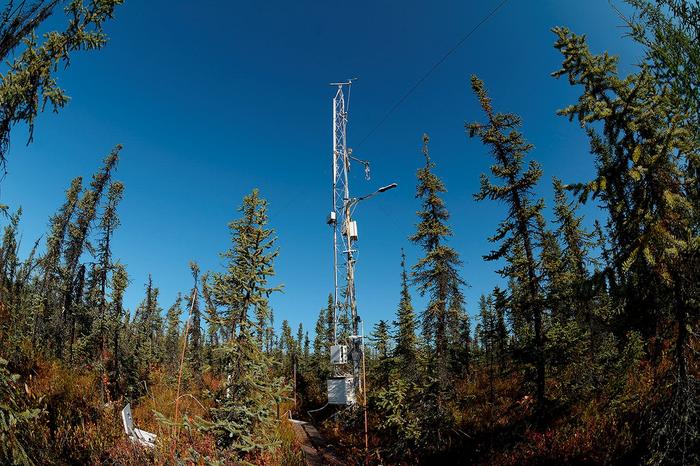
In perhaps the first long-term study of CO2 fluxes in northern forests growing on permafrost, an Osaka Metropolitan University-led research team has found that climate change increased not only the sources of carbon, but also the CO2 sinks.
The 20-year observation from 2003-2022 in the interior of Alaska showed that while CO2 sinks turned into sources during the first decade, the second decade showed a nearly 20% increase in CO2 sinks.
Graduate School of Agriculture Associate Professor Masahito Ueyama and colleagues found that warming led to wetness, which in turn aided the growth of black spruce trees.
During photosynthesis, the growing trees were using the increasing CO2 released from human activities.
“The 20 years of observational data that we have is, as far as we know, the longest record of such research on permafrost forests in the world,” Professor Ueyama proclaimed.
Sign up for the Daily Dose Newsletter and get every morning’s best science news from around the web delivered straight to your inbox? It’s easy like Sunday morning.
“However, since it is difficult to apply the findings and data from those 20 years to a future world in which warming continues, further long-term observations are needed. But we hope that our findings will help verify and improve the accuracy of warming prediction models.”
IMAGE CREDIT: Osaka Metropolitan University




Leave a Reply