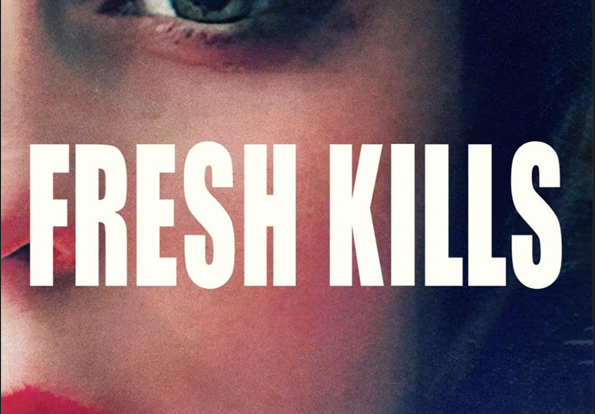
In the chiaroscuro of the American cinematic mob tableau, Jennifer Esposito’s directorial debut, Fresh Kills, emerges as a chiaro more than an oscuro, illuminating the often sidelined narratives of women enmeshed in the grizzly innards of organized crime. Set against the visceral backdrop of 1980s and 1990s Staten Island—a stark, brutalist contrast to the glitzy brutality of traditional mob haunts—Esposito’s film is an intricate study of the domestic dramas that unfold within the mob’s secretive sanctuaries.
At the heart of Fresh Kills is Rose, portrayed with a simmering, quiet intensity by Emily Bader. Her life, observed with a nuanced voyeurism, encapsulates the complex dualities of familial love shadowed by the dark undertones of mafia affiliations. As Rose grows, the quaint innocence of childhood unravels into a tapestry of stark realizations and moral quandaries, with the walls of their palatial Staten Island mansion whispering secrets she wishes were mere echoes of imagination. Her mother, Francine (Esposito herself), and her combustibly spirited sister, Connie (Odessa A’zion), orbit around her, each navigating the labyrinthine paths set before them by the patriarchal edicts of mob lore.


Esposito’s narrative device is the family home, a character in its own right, which, like the infamous landfill it’s named after, harbors the decay of countless untold stories beneath its opulent façade. Here, the domestic sphere becomes a microcosm for the mafia’s broader societal machinations, where women, often seen but not heard, grapple with the shackles of their imposed silence. The performances—nuanced and explosive by turns—offer a canvas for these characters to etch their indelible marks on the viewer’s conscience.
What sets Fresh Kills apart is its refusal to glorify the violence that often defines the genre. Instead, it delves into the psychological and emotional violence inflicted upon these women, portraying their lives with a fidelity that eschews both sentimentality and sensationalism. The film’s aesthetic, devoid of the gratuitous stylizations typical of mob cinema, opts instead for a raw veracity that mirrors the brutal honesty of its narrative.
The film’s lineage, while echoing the familial sagas of The Godfather and the gritty streets of Mean Streets, carves its unique mythos by focusing on the women of the mob. It eschews the traditional arc of rise and fall, instead presenting a lateral mosaic of moments that cumulatively capture the essence of entrapment within this underworld. As the narrative weaves through the lives of Rose, Francine, and Connie, it exposes the paradoxes of their existence—compelled by love, loyalty, and fear to perpetuate the very cycles that they wish to escape.
Fresh Kills and Esposito achieve a narrative alchemy that transmutes the leaden stereotypes of mob genre into cinematic gold, offering a film that is as much a social critique as it is a compelling family drama. The Staten Island of Esposito’s lens is not merely a setting but a liminal space between the American dream and the mafia nightmare, a purgatory for its female denizens who navigate its treacherous terrain, seeking redemption or damnation in equal measure. The film serves as a poignant reminder of the genre’s potential for depth and diversity, exploring the intersections of gender, power, and crime with a rare eloquence that both captivates and convicts.
Sign up for the Daily Dose Newsletter and get the morning’s best science news from around the web delivered straight to your inbox? It’s easy like Sunday morning.




Leave a Reply