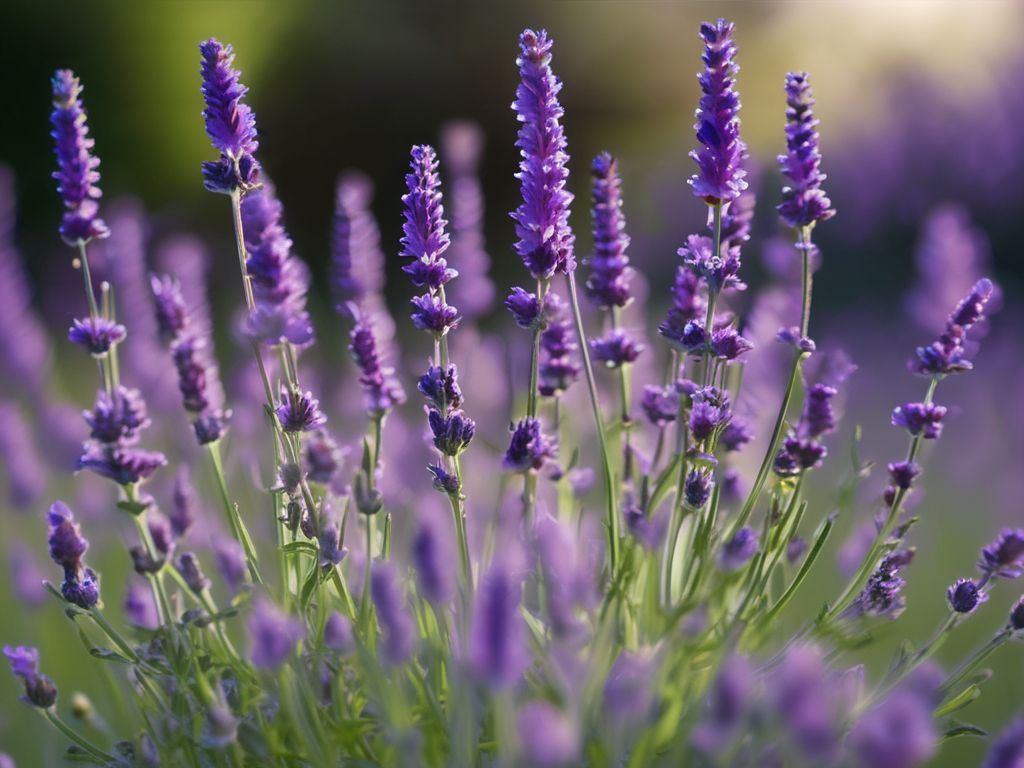
A groundbreaking study has identified a gene that plays a dual role in enhancing both the aromatic compounds and disease resistance in lavender plants. The research uncovers how the LaMYC7 gene positively regulates the biosynthesis of linalool and caryophyllene, key for lavender’s scent and its resistance to common plant pathogens.
Plants face various environmental pressures, including biotic stressors like pathogens and abiotic stressors such as extreme temperatures. Among biotic stressors, Pseudomonas syringae significantly threatens plant health worldwide. Terpenoids, including linalool and caryophyllene, play crucial roles in plant defense mechanisms against such stressors. However, the transcriptional regulation of these compounds remains less understood. Due to these challenges, there is a need to conduct in-depth research on the regulatory mechanisms underlying terpenoid biosynthesis.
Researchers from the State Key Laboratory of Plant Diversity and Specialty Crops at the Chinese Academy of Sciences have published a study (DOI: 10.1093/hr/uhae044) on February 6, 2024, in Horticulture Research. The study reveals that the LaMYC7 transcription factor in lavender significantly enhances the biosynthesis of linalool and caryophyllene, which boosts the plant’s resistance to Pseudomonas syringae. This discovery not only sheds light on the transcriptional regulation of terpenoid biosynthesis but also suggests potential applications in developing disease-resistant lavender varieties.
The study used RNA-sequencing, transgenic technology, and enzyme assays to investigate LaMYC7‘s role in lavender. They found that LaMYC7 is highly expressed in glandular trichomes and responds to stresses like UV light, low temperatures, salt, drought, methyl jasmonate, and Pseudomonas syringae infection. Overexpressing LaMYC7 in Nicotiana increased linalool and caryophyllene content, enhancing terpenoid biosynthesis. LaMYC7 directly binds to the LaTPS76 promoter, boosting caryophyllene production. Additionally, linalool showed strong antimicrobial activity against Pseudomonas syringae. These findings suggest that LaMYC7 is crucial for plant defense, regulating terpenoid biosynthesis and enhancing pathogen resistance.

Dr. Lei Shi, the corresponding author of the study, stated, “Our findings provide valuable insights into the transcriptional regulation of terpenoid biosynthesis in lavender. The identification of LaMYC7 as a key regulator opens new possibilities for breeding lavender varieties with enhanced disease resistance and higher essential oil yields. This research underscores the importance of understanding plant defense mechanisms at the molecular level to develop sustainable agricultural practices.”
The implications of this research are vast, offering potential applications in agriculture and the fragrance industry. By manipulating the LaMYC7 gene, breeders can develop lavender varieties with increased yields of valuable essential oils and improved resistance to diseases, contributing to sustainable crop production and opening new avenues for the utilization of lavender in various commercial products.
Sign up for the Daily Dose Newsletter and get the morning’s best science news from around the web delivered straight to your inbox? It’s easy like Sunday morning.



Leave a Reply