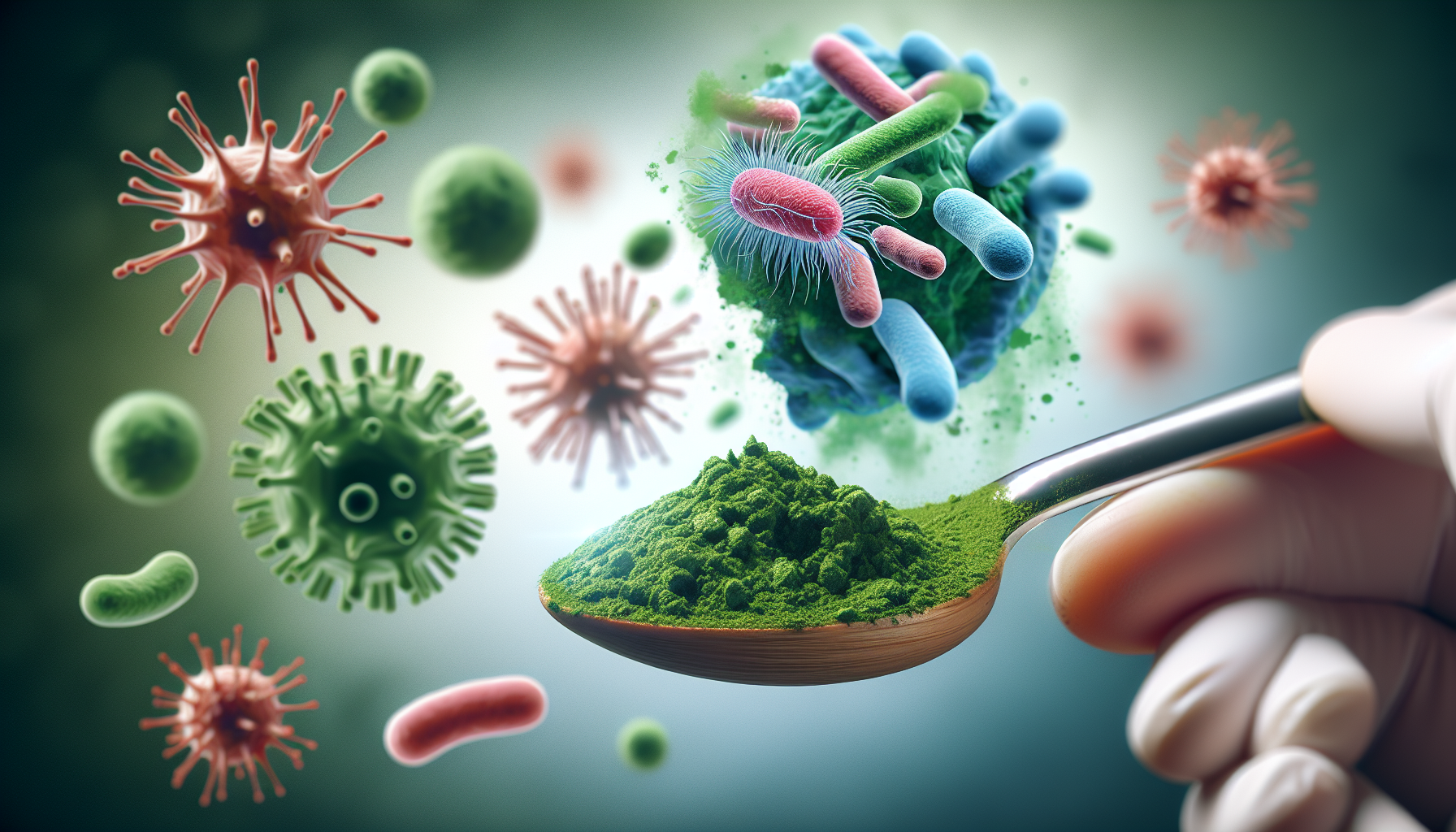
Periodontitis is an inflammatory gum disease driven by bacterial infection and left untreated it can lead to complications including tooth loss. The disease also been associated with diabetes mellitus, preterm birth, cardiovascular disease, rheumatoid arthritis and cancer. One of the chief bacterial culprits behind periodontitis is Porphyromonas gingivalis, which colonizes biofilms on tooth surfaces and proliferates in deep periodontal pockets.

Matcha, a finely ground green tea powder, may help keep P. gingivalis at bay. This week in Microbiology Spectrum, an open-access ASM journal, researchers in Japan report that matcha inhibited the growth of P. gingivalis in lab experiments. In addition, in a clinical study involving 45 people with periodontitis, people who used matcha mouthwash showed significantly lower levels of P. gingivalis in saliva samples than at the start of the study. “Matcha may have clinical applicability for prevention and treatment of periodontitis,” the authors noted in the paper.
Camellia sinensis is a green tea plant that has long been studied for its potential antimicrobial effects against bacteria, fungi and viruses. A previous study on mice found that green tea extract can inhibit the growth of pathogens, including Escherichia coli. Other research has found that the extract can inhibit the growth of P. gingivalis and reduce its adherence to oral epithelial cells. In addition, observational studies have associated green tea consumption with better health.
Sign up for the Daily Dose Newsletter and get every morning’s best science news from around the web delivered straight to your inbox? It’s easy like Sunday morning.
Matcha, which is used in traditional ceremonies and for flavoring in beverages and sweets, is made from raw leaves of C. sinensis. For the new study, researchers from the Nihon University School of Dentistry at Matsudo, the National Institute of Infectious Disease in Tokyo and other institutions carried out a series of in vitro experiments to test the efficacy of a matcha solution against 16 oral bacterial species, including 3 strains of P. gingivalis. The matcha mouthwash showed little activity against strains of commensal oral bacteria.
Within 2 hours, nearly all the cultured P. gingivalis cells had been killed by the matcha extract, and after 4 hours of exposure, all the cells were dead. Those findings suggested a bactericidal activity against the pathogen.
The researchers then recruited 45 people diagnosed with chronic periodontitis at the Nihon University Hospital School of Dentistry at Matsudo for a follow up clinical study. The patients were randomly assigned to 3 groups: One group received barley tea mouthwash, the second received the mouthwash made from matcha extract, and the third received mouthwash that included sodium azulene sulfonate hydrate, which is used to treat inflammation. Saliva samples were collected before and after the intervention and analyzed using PCR, and participants were instructed to rinse twice daily.
The analysis revealed that patients in the group that used matcha mouthwash showed a significant reduction in the level of P. gingivalis. Patients in the other 2 groups did not show that same significant reduction.
While the new study isn’t the first to probe the antimicrobial effects of tea-derived compounds on P. Gingivalis, the researchers note that it does support the potential benefits of matcha as part of a treatment plan for people with periodontal disease.
If you enjoy the content we create and would like to support us, please consider becoming a patron on Patreon! By joining our community, you’ll gain access to exclusive perks such as early access to our latest content, behind-the-scenes updates, and the ability to submit questions and suggest topics for us to cover. Your support will enable us to continue creating high-quality content and reach a wider audience.
Join us on Patreon today and let’s work together to create more amazing content! https://www.patreon.com/ScientificInquirer



Leave a Reply