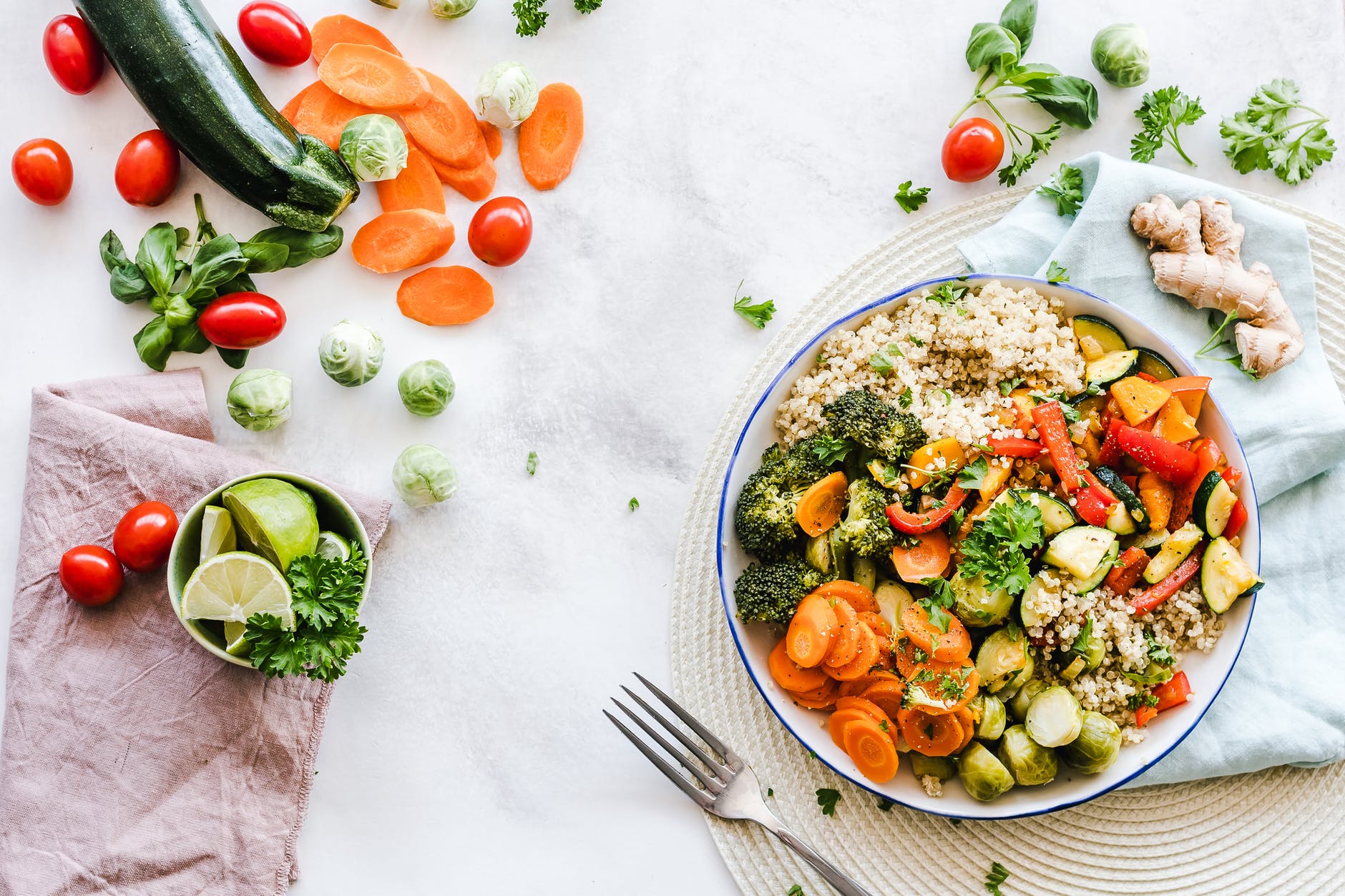
Research by the University of Southampton shows future choices about trade, diet and climate change will be crucial in securing micronutrient food supplies for the UK.
Scientists conclude that factors such as Brexit, a move to plant-based diets and any further disruption from the COVID-19 pandemic will be major influences on our food supply and in-turn the range and level of micronutrients available to people through their food.
The UK is not self-sufficient in several key vitamins (A and C) and minerals (calcium, zinc and iron). We rely on imports, rather than domestic produce, to provide enough of these micronutrients to ensure the population can receive their recommended daily allowance.
HAVE YOUR SAY.
Join us in The Bullpen, where the members of the Scientific Inquirer community get to shape the site’s editorial decision making. We’ll be discussing people and companies to profile on the site. On Wednesday, August 3 at 5:30pm EST, join us on Discord and let’s build the best Scientific Inquirer possible.
“The pandemic has shown the importance of nutrition in keeping healthy and fighting off infection. It is important for public health that people can maintain a healthy diet through readily available food sources,” said lead researcher, Professor Guy Poppy, who is also Deputy Executive Chair of the Biotechnology and Biological Sciences Research Council (BBSRC). “If the UK is to become more nutrient self-sufficient, it will require a range of actions to change production and how much is grown domestically, coupled with some significant changes in consumer food preferences.”
The researchers examined data from a number of sources showing how micronutrient security has varied between 1961 and 2017. They also analysed 2017 overseas trade data from HM Revenue and Customs to assess overseas food supply prior to the exit from the EU and ran future scenarios around domestic production, imports and supply of animal and plant food sources.
Findings, published in the journal Nature Food, show that since the 1960’s the UK has become much more reliant on imports to secure micronutrients. For example, prior to joining the EU, most of our vitamin C was domestically produced, but we now import the majority in the form of fruit and vegetables. About half of all these imports are from European countries, with Spain and the Netherlands the most significant contributors. The research also highlighted that over the last sixty years, trade agreements have affected the supply of key micronutrients, emphasising the importance of trade on food supply as the UK negotiates post-Brexit deals.
Co-author of the paper, Dr Jenny Baverstock added: “There is an increasing call for a more plant based-diet to help address climate change – but this will be a challenge based on current patterns, and especially if we continue to rely on imports of fruit and vegetables which can’t be grown in the UK.
“This increase in vegetarianism and veganism will require careful policy and decision making, as the bioavailability of micronutrients from meat and dairy is something not easily replicated by plants. Consideration will be needed over how to ‘eat for the health of the human’ as well as ‘eat for the health of the planet’.”


Leave a Reply